The catering industry thrives on presentation, reliability, and reputation. Whether serving weddings, corporate events, private parties, or large-scale functions, clients expect professionalism long before the first dish is prepared. Today, that first impression almost always happens online. Event planners, HR teams, and individuals typically search for caterers, compare menus, read reviews, and request quotes through websites rather than phone calls. Without a professional digital presence, even talented catering businesses risk losing opportunities to competitors who appear more established and accessible. A well-designed website acts as your central marketing hub, booking engine, and brand showcase—all working 24/7 to generate leads.
Attract More Event Inquiries and Bookings
A professional catering website streamlines the inquiry and booking process. Instead of back-and-forth calls or emails, potential clients can view services, packages, and pricing instantly. Dedicated inquiry forms allow users to share event dates, guest counts, cuisine preferences, and budgets, helping you pre-qualify leads efficiently.
This convenience significantly increases conversions, especially for weddings and corporate events where planners evaluate multiple vendors quickly. The easier it is to contact you, the more inquiries you receive.
Highlight Menus and Culinary Expertise
Menus are often the deciding factor when selecting a caterer. Your website allows you to showcase sample menus, specialty cuisines, seasonal offerings, and dietary accommodations such as vegan, gluten-free, or allergen-conscious options.
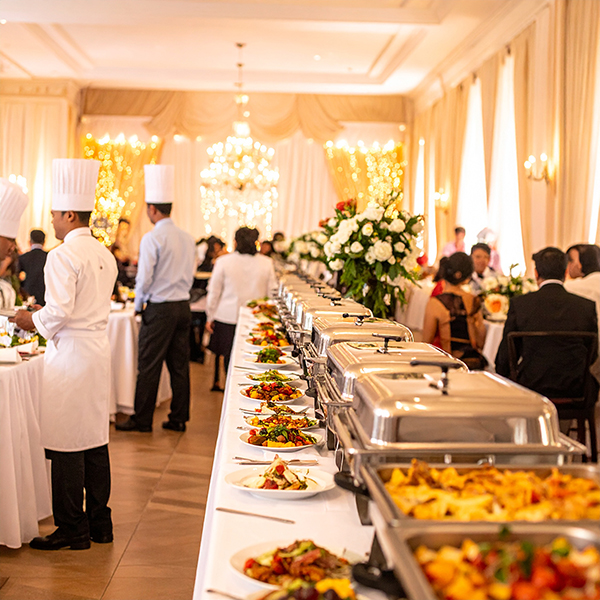
High-quality food photography and detailed descriptions help clients visualize presentation and taste, making your service more desirable. You can also feature chef profiles, signature dishes, and event galleries to reinforce credibility and creativity. This storytelling approach transforms your food from a list of items into a memorable experience.
Build Trust Through Reviews and Testimonials
Trust plays a crucial role in event planning. Clients want assurance that their caterer will deliver on time and maintain quality. Featuring testimonials, reviews, and logos of past corporate clients builds social proof and reduces hesitation.
Showcasing real events, before-and-after setups, and client feedback demonstrates reliability. For many U.S. customers especially, strong online reviews are often the deciding factor between two similar vendors.
Improve Brand Visibility and Recognition
Consistent branding across your website—colors, typography, tone, and imagery—helps your catering business stand out in a crowded market. A cohesive identity communicates professionalism and makes your brand memorable.
Whether clients discover you through search engines, social media, or referrals, a polished website reinforces credibility and positions you as a premium service provider rather than just another local vendor.
Increase Local and Organic Search Traffic
Search engine optimization (SEO) ensures your catering business appears in searches like “wedding caterer near me,” “corporate catering in Dallas,” or “birthday party catering services.” These are high-intent searches from users actively planning events.
Optimized service pages, location targeting, and structured FAQs also improve visibility for voice searches and featured snippets. This steady organic traffic reduces reliance on paid ads and third-party marketplaces.
Serve as a Central Marketing Platform
Your website connects all marketing channels. Social media campaigns, email newsletters, and advertisements should drive traffic back to a platform you fully control. With analytics and tracking, you can measure inquiries, popular menus, and seasonal demand to refine your strategy.
In short, a professional website transforms your catering business into a scalable, lead-generating system that works continuously to grow your bookings.
FAQs
Why does a catering business need a professional website?
A website builds credibility, showcases menus, and allows clients to inquire or book easily. Most customers research caterers online before contacting them, making a website essential for visibility and trust.
Can a website increase catering bookings?
Yes. Online inquiry forms, clear service descriptions, and menu displays reduce friction and encourage faster decisions, leading to more event bookings.
How does SEO help catering companies?
SEO helps your business rank for local searches such as “wedding caterer near me” or “corporate catering services.” This brings high-intent traffic directly to your site.
What should a catering website include?
Key elements include menus, pricing guidance, event galleries, testimonials, service areas, FAQs, and an easy contact or quote form.
How do testimonials improve conversions?
Reviews provide social proof and reassure clients about reliability, food quality, and professionalism, increasing trust and bookings.
Can a website help manage inquiries efficiently?
Yes. Structured forms collect event details upfront, reducing back-and-forth communication and saving time while qualifying leads.
Is a mobile-friendly website important for catering businesses?
Absolutely. Many users search for vendors on their phones. A responsive website ensures easy browsing and faster booking on any device.
Can a website support marketing campaigns?
Yes. Your website becomes the central destination for social media, ads, and email marketing, helping you track performance and control customer experience.

Dhanvin is a content writer with a Pharm.D background and hands-on exposure to clinical research and content writing. He brings curiosity, precision, and clarity to scientific communication. His experience includes protocol development, CRF design, narrative medical writing, and GCP-aligned research, supported by advanced training in clinical research, pharmacovigilance, and AI applications in pharma. A published author and independent scientific reviewer, he is driven by academic integrity and critical thinking, and enjoys translating complex scientific concepts into engaging, high-impact content—strengthened by strong content writing, SEO, and optimization skills—for research, education, and medical marketing.